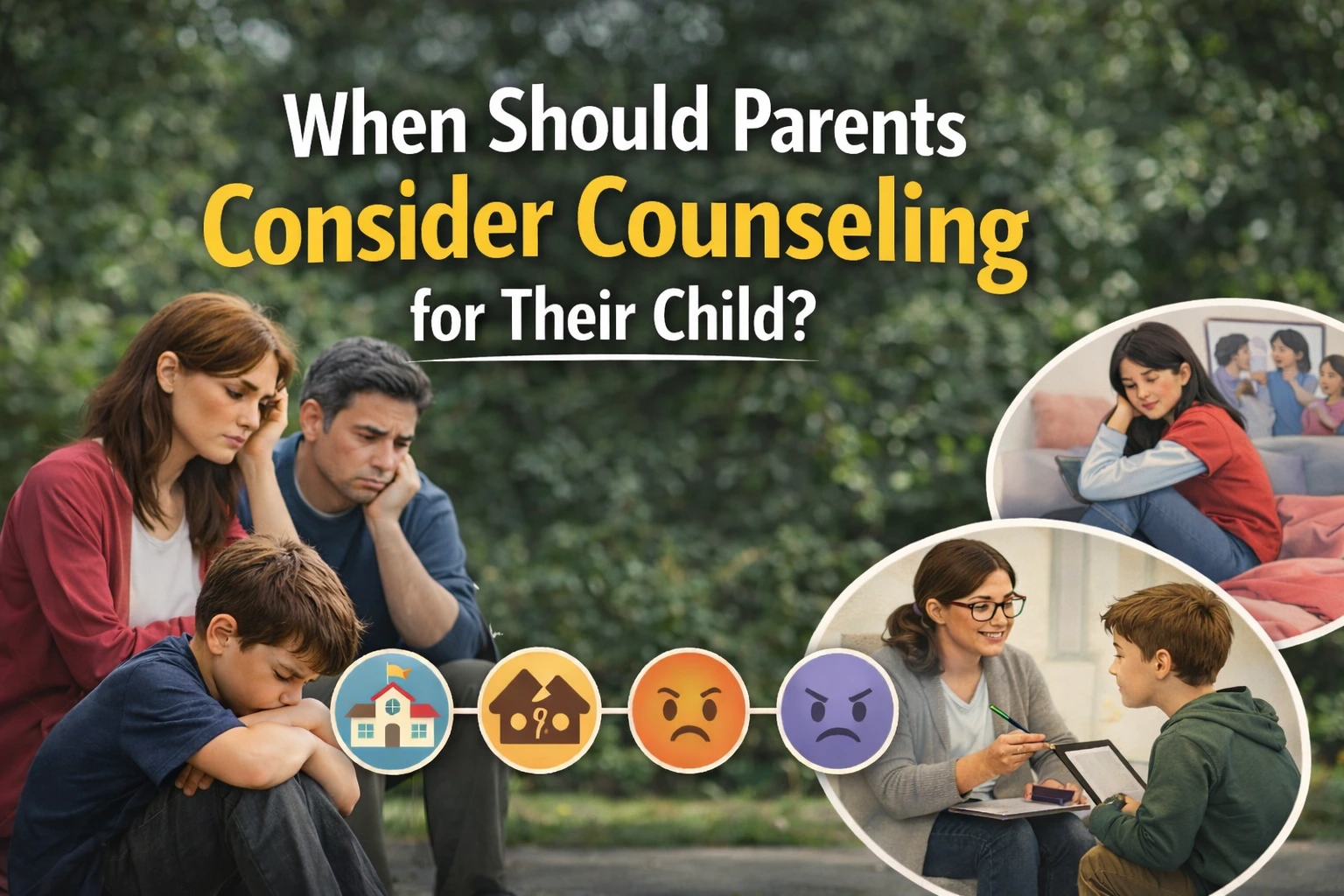


Parenting comes with moments of joy as well as uncertainty, especially when a child’s emotions or behavior begin to change in concerning ways. Understanding child counseling can help parents recognize when professional guidance may be beneficial. Children and teenagers often struggle to express complex feelings, and emotional or behavioral challenges may surface subtly before becoming more serious. Early support can make a meaningful difference in helping young individuals navigate emotional growth, stress, and developmental transitions in a healthy way.
Understanding Emotional and Behavioral Changes in Children
Children experience emotional ups and downs as part of normal development. However, persistent mood swings, withdrawal, anger, or academic decline may signal deeper concerns. Recognizing signs a child needs counseling allows parents to intervene early rather than waiting for issues to escalate. Emotional challenges may stem from school pressure, family changes, peer relationships, or self-esteem struggles. When these concerns begin to affect daily functioning, counseling can provide a safe and supportive space for children to process their feelings.
Common Behavioral Concerns in Child Counseling
Parents often seek support when behavioral changes disrupt routines at home or school. Persistent defiance, aggression, excessive fears, or difficulty following rules may indicate the need for child behavior problems counseling. These behaviors are not simply acts of disobedience; they can reflect unmet emotional needs, stress, or difficulty coping with expectations. Counseling helps children learn healthy communication skills, emotional regulation, and problem-solving strategies that support positive behavior.
Supporting Children Through Emotional Challenges
Many children struggle silently with worries they don’t know how to express. Addressing emotional issues in children early can prevent long-term effects on confidence, relationships, and mental well-being. Counseling provides children with age-appropriate tools to understand their emotions, manage anxiety, and build resilience. Therapists use creative and interactive methods, such as play or storytelling, to help children feel comfortable sharing their experiences in a non-threatening environment.
When Teens Need Therapy and Child Counseling Support
Adolescence is a time of rapid change, identity exploration, and heightened emotional sensitivity. Parents often wonder when teens need therapy, especially as mood changes and independence increase. Warning signs may include prolonged sadness, extreme irritability, social isolation, sudden changes in sleep or appetite, or risky behaviors. Therapy offers teens a confidential and judgment-free space to discuss pressures related to academics, friendships, social media, and self-image while developing coping skills for long-term emotional health.
Role of Child Counseling in Healthy Development
Counseling is not only for moments of crisis. It can also support personal growth, emotional awareness, and healthy communication. Child and teen counseling focuses on strengthening emotional intelligence, improving family dynamics, and fostering self-confidence. By addressing concerns early, parents help their children develop lifelong skills for managing stress, relationships, and change.
Creating a Supportive Family Environment
When parents consider counseling, it sends a powerful message that emotional well-being matters. Family involvement often enhances the effectiveness of therapy, as parents learn how to support their child’s progress at home. Counseling encourages open dialogue, understanding, and empathy within families, helping children feel heard and supported during challenging times.
Final Thoughts
Knowing when to seek professional help is an important part of proactive parenting. Whether addressing emotional struggles, behavioral concerns, or adolescent challenges, counseling offers guidance, structure, and support tailored to each child’s needs. Marriage Counsellor Gurgaon provides compassionate and professional counseling services designed to support children, teens, and families through life’s emotional challenges, helping them build healthier and more confident futures.
Frequently Asked Questions
1. What is child counseling and how does it help?
Child counseling is a therapeutic approach that helps children understand and manage emotions, behaviors, and challenges. Through age-appropriate techniques, children learn to express feelings, build coping skills, and improve communication. Counseling supports emotional growth, confidence, and resilience, especially during stressful life changes or developmental transitions.
2. What are the common signs a child may need counseling?
Recognizing signs a child needs counseling can help parents act early. These signs may include persistent sadness, frequent anger, withdrawal from activities, academic decline, sleep issues, or changes in appetite. When such behaviors interfere with daily life, professional counseling can provide effective emotional support.
3. How can counseling help with child behavior problems?
Child behavior problems counseling addresses the emotional roots behind challenging behaviors rather than just correcting actions. Counseling helps children develop emotional regulation, communication skills, and problem-solving abilities. Parents also gain guidance on creating consistent routines and supportive responses that reinforce positive behavior at home.
4. When should parents consider therapy for teenagers?
Parents often wonder when teens need therapy, especially during adolescence. Therapy is beneficial when teens experience prolonged mood changes, anxiety, social withdrawal, academic stress, or risky behaviors. Counseling provides teens with a confidential space to process emotions and develop healthy coping strategies.
5. Can counseling help children manage emotional difficulties?
Yes, counseling is highly effective in addressing emotional issues in children. It helps children identify feelings, manage anxiety or stress, and build emotional awareness. With professional support, children learn healthier ways to cope with challenges, strengthening their emotional well-being and overall development.



