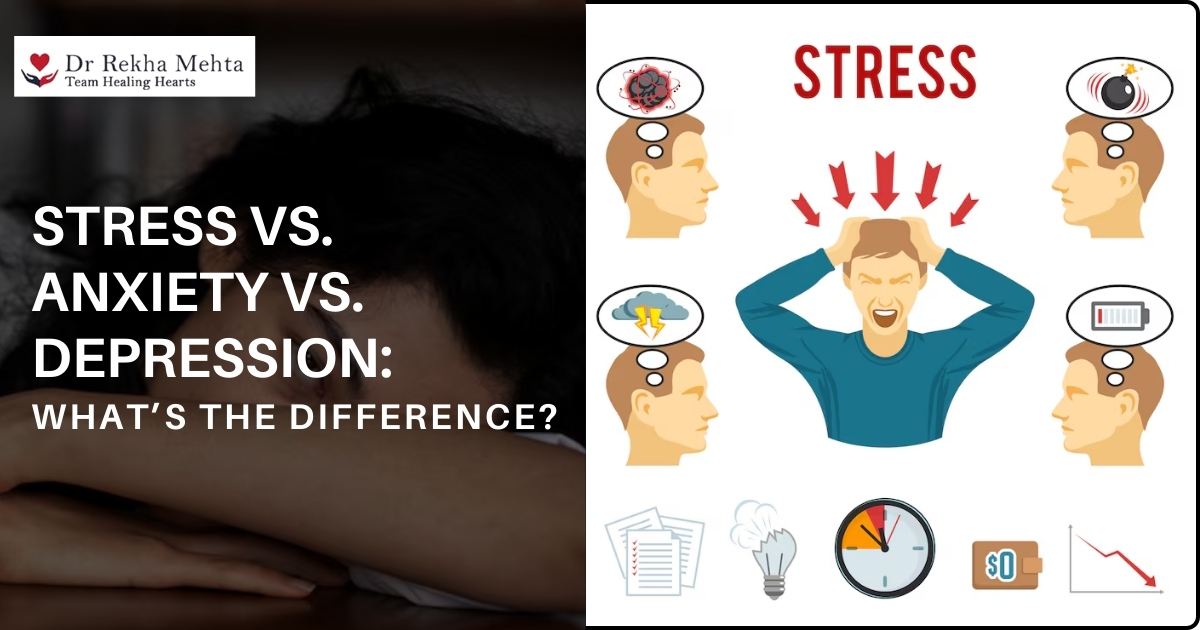


Mental health challenges are becoming increasingly common in today’s fast-paced world, yet many people struggle to clearly understand what they are experiencing. The difference between stress anxiety and depression is often misunderstood, as these conditions can overlap in symptoms while remaining distinct in causes, intensity, and impact. Understanding these differences is essential for recognizing problems early, seeking appropriate help, and supporting emotional well-being.
Understanding Stress
Stress is a natural response to external pressures or demands. It often arises from work deadlines, relationship conflicts, financial concerns, or major life changes. Stress is usually temporary and subsides once the situation improves. While short-term stress can motivate action, prolonged stress can negatively affect physical and mental health if not managed properly.
What Is Anxiety?
Anxiety goes beyond everyday stress and involves persistent worry, fear, or nervousness that may occur even without an immediate trigger. People with anxiety often feel restless, tense, or constantly on edge. Common signs of anxiety and depression may overlap, such as sleep disturbances and difficulty concentrating, but anxiety is typically characterized by excessive worry and anticipation of negative outcomes.
Understanding Depression
Depression is a mood disorder that affects how a person feels, thinks, and functions daily. It is marked by persistent sadness, loss of interest, fatigue, and feelings of hopelessness. Unlike stress, depression does not always have a clear external cause and can last for weeks or months, significantly interfering with daily life and relationships.
Key Differences Between Stress, Anxiety, and Depression
While stress is usually situational and short-term, anxiety is ongoing and often irrational, and depression is deeply rooted in mood and emotional functioning. Stress responds well to rest and lifestyle changes, anxiety often requires coping strategies and therapy, and depression may need structured psychological or medical intervention.
How Symptoms Can Overlap
It is common for these conditions to coexist or evolve into one another. For example, chronic stress can lead to anxiety, and prolonged anxiety may contribute to depression. Shared symptoms of stress anxiety depression include irritability, fatigue, sleep problems, difficulty concentrating, and physical discomfort. However, the severity and emotional depth of symptoms differ in each condition.
Why Early Understanding Matters
Recognizing mental health concerns early allows individuals to seek timely support and prevent escalation. Accurate awareness helps people respond with appropriate coping mechanisms rather than ignoring or mislabeling their experiences. Proper understanding also reduces stigma and encourages open conversations around mental health.
When to Seek Professional Help
If emotional distress persists, interferes with relationships, or affects daily functioning, professional support is essential. Therapists and counselors help individuals understand their experiences, develop coping strategies, and regain emotional balance. Addressing mental health early improves long-term outcomes and quality of life.
Key Takeaways
In conclusion, understanding the difference between stress, anxiety and depression is a crucial step toward better mental well-being. While these conditions may share similarities, each requires a unique approach to care and management. For individuals seeking guidance, emotional clarity, and professional support, Marriage Counselor Gurgaon offers expert counseling services to help individuals and couples navigate mental health challenges with compassion and confidence.
Frequently Asked Questions
1. What is the difference between stress, anxiety, and depression?
The difference between stress anxiety and depression lies in their duration, triggers, and emotional impact. Stress is a short-term response to external pressure, anxiety involves persistent worry without immediate cause, and depression affects mood and motivation over extended periods, often requiring professional treatment.
2. What are the common signs of anxiety and depression?
Signs of anxiety and depression often include sleep disturbances, fatigue, irritability, difficulty concentrating, and emotional withdrawal. Anxiety is marked by excessive worry and restlessness, while depression involves persistent sadness, loss of interest, and feelings of hopelessness that affect daily functioning.
3. Can symptoms of stress turn into anxiety or depression?
Yes, prolonged symptoms of stress anxiety depression can overlap and evolve. Chronic stress may lead to anxiety if unmanaged, and ongoing anxiety can contribute to depressive symptoms. Early identification and healthy coping strategies help prevent progression and protect mental well-being.
4. How are mental health conditions explained by professionals?
Professionals use evidence-based frameworks when mental health conditions are explained to patients, focusing on emotional patterns, thought processes, behavior, and life experiences. This approach helps individuals understand their condition, reduces self-blame, and supports effective treatment planning.
5. When should someone seek help for stress or anxiety?
If emotional distress persists, worsens, or interferes with daily life, signs of anxiety and depression should not be ignored. Seeking professional help early provides coping strategies, emotional support, and guidance, preventing conditions from becoming more severe or long-lasting.



