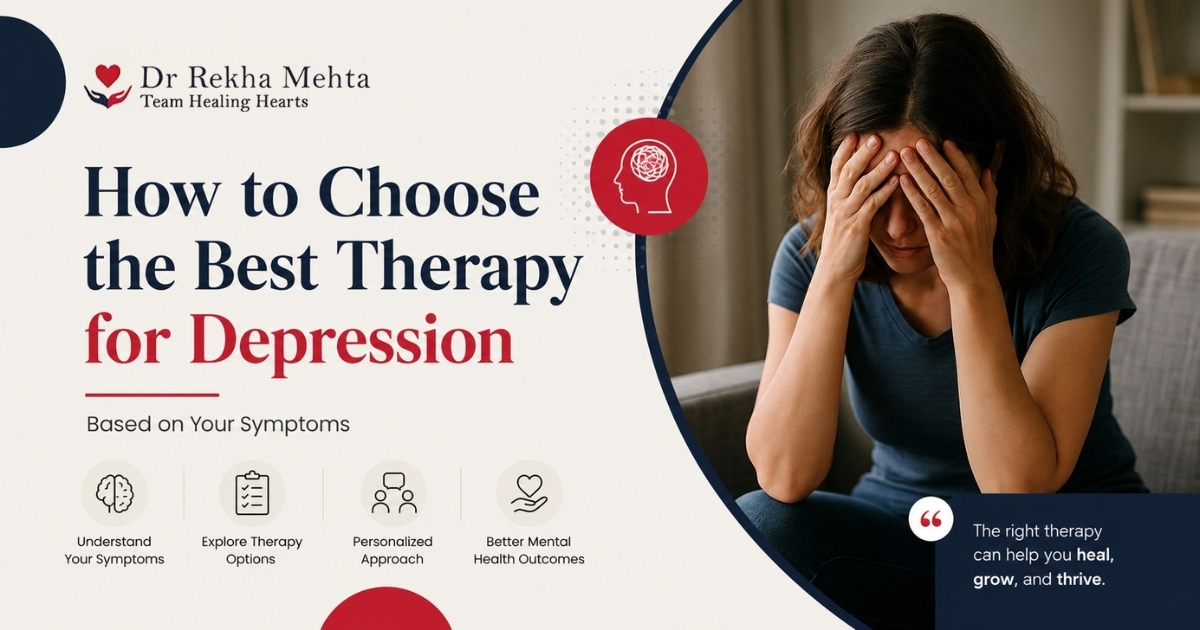


Everybody is affected by depression differently. While some people suffer from persistent depression, others may feel exhausted, disinterested, have trouble sleeping, or have trouble focusing. There isn’t a single treatment that works for everyone because symptoms differ from person to person. Choosing the right therapy for depression approach depends on your symptoms, lifestyle, and personal goals.
Why Therapy for Depression Should Match Your Symptoms
The first step is to understand what you are going through. For mild depression, talking therapies and lifestyle changes may be helpful, but for moderate or severe depression, structured psychological support is often needed. A certified mental health professional will assess your symptoms, medical history, and daily challenges before recommending a suitable treatment plan.
Long-term outcomes are frequently better when therapy is selected according to your unique needs.
Choosing the Best Therapist for Anxiety and Depression
Many people experience depression alongside anxiety. In such cases, working with a therapist for depression and anxiety can be especially beneficial. They are trained to identify how both conditions interact and can create a personalised treatment plan.
When choosing a therapist, consider:
- Their qualifications and experience.
- The types of therapy they offer.
- Their communication style.
- Whether you feel comfortable speaking openly with them.
A good therapeutic relationship plays a major role in successful recovery.
Types of Depression and Anxiety Therapy
Different therapies work for different people. Some of the most commonly recommended options include:
- Cognitive Behavioural Therapy (CBT): Helps identify and change negative thinking patterns.
- Interpersonal Therapy (IPT): Focuses on enhancing communication and relationships.
- Mindfulness-Based Therapy: Teaches techniques to manage emotions and reduce stress.
- Psychodynamic Therapy: Explores deeper emotional experiences and past events.
Your therapist may recommend one approach or combine several methods depending on your symptoms.
Is Online Depression Counselling Right for You?
For many people, online depression counselling offers a convenient and flexible way to access professional support. It can be especially helpful if you have a busy schedule, live far from a clinic, or feel more comfortable speaking from home.
Online sessions provide privacy while allowing you to receive guidance from qualified professionals without the need to travel.
Questions to Ask Before Starting Therapy
Before committing to a therapist, ask a few important questions:
- What type of therapy do you recommend for my symptoms?
- How long does treatment usually take?
- How will we measure progress?
- What can I anticipate from the initial sessions?
Clear answers will help you make an informed decision and feel more confident about beginning therapy.
Conclusion
Finding the right support is an important step towards recovery. The best therapy depression plan is one that matches your symptoms, personal circumstances, and comfort level. Early professional consultation can have a big impact on your emotional health. Experienced specialists at Marriage Counsellor Gurgaon can assist you in selecting the best course of action and provide you with ongoing support as you navigate your mental health journey.
Frequently Asked Questions
1. How do I know which type of therapy is best for my depression?
The severity of your symptoms, your medical history, and your treatment objectives will determine which therapy is best for you. Before recommending a strategy like CBT, interpersonal therapy, mindfulness-based therapy, or another evidence-based treatment that best meets your needs, a licensed mental health professional will evaluate your condition.
2. Can anxiety and depression be treated together?
Yes. Anxiety and depression commonly occur together, and many therapists treat both conditions at the same time. Through structured counselling and useful coping mechanisms, a customised treatment plan can help address overlapping symptoms, enhance emotional regulation, lower stress levels, and promote better general mental health.
3. Is online therapy as effective as face-to-face counselling?
Online therapy can be just as helpful as in-person sessions for many people, particularly those with mild to moderate depression. It offers flexibility, convenience, and improved accessibility while allowing you to receive professional advice in the privacy and comfort of your own home.
4. How long does depression therapy usually take?
The length of time varies according to each person’s progress, the type of therapy, and the intensity of symptoms. While some people benefit from longer-term support, others see improvements in a matter of months. Your therapist will assess your progress on a regular basis and modify the treatment plan as needed.
5. What should I expect during my first therapy session?
The therapist will primarily ask you about your symptoms, medical history, lifestyle, and current concerns during your first session. They are better able to comprehend your circumstances, talk about appropriate treatment options, respond to your enquiries, and develop a customised plan that will aid in your recovery.



