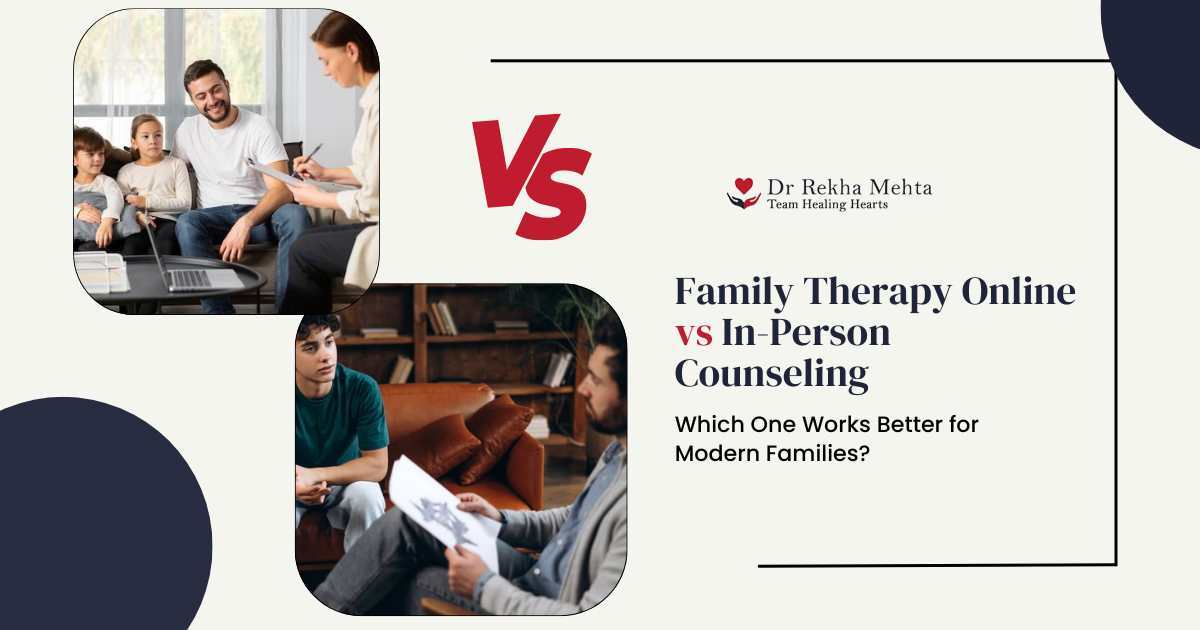


Modern family life is busier and more complex than ever before. Between demanding work schedules, school commitments, digital distractions, and evolving family dynamics, many households face challenges that can strain relationships. When communication breaks down or conflicts become difficult to manage, therapy can provide valuable guidance and support.
Today, families have two primary options: family therapy online and traditional in-person counselling. Both approaches aim to strengthen family relationships, improve communication, and resolve conflicts, but they offer different experiences. So, which one works better for modern families?
Let’s explore the advantages and limitations of both options to help you make an informed decision.
Understanding the Purpose of Family Therapy
Family therapy focuses on improving interactions between family members and addressing issues that affect the entire household. Whether the challenge involves parenting disagreements, sibling conflicts, marital stress, behavioural concerns, or major life transitions, therapy provides a safe space for meaningful conversations and solutions.
Many families now choose family counselling services online because of the convenience and accessibility they offer. Others prefer face-to-face sessions for the personal connection they provide. The best choice often depends on the family’s unique circumstances and comfort level.
The Rise of Family Therapy Online
The digital transformation of healthcare has made therapy more accessible than ever. With secure video conferencing platforms, families can now connect with qualified therapists from the comfort of their homes.
Benefits of Online Family Therapy
Greater Convenience
One of the biggest advantages of family therapy online is flexibility. Family members can join sessions from different locations without spending time travelling to a clinic. This is especially helpful for busy professionals, students, or families living in different cities.
Improved Accessibility
Families in remote areas often struggle to find specialised therapists nearby. Online sessions remove geographical barriers and allow access to experienced professionals regardless of location.
Comfortable Environment
Many people feel more relaxed discussing sensitive topics from the familiarity of their own home. This comfort can encourage openness and honesty during sessions.
Easier Scheduling
Online appointments typically offer greater flexibility, making it easier to find suitable times that accommodate everyone’s schedule.
For parents seeking support, online therapy for parents and children can be particularly beneficial because it allows therapists to observe family interactions within the home environment, providing valuable insights.
The Benefits of In-Person Family Counselling
While online therapy has gained popularity, traditional face-to-face counselling continues to offer unique advantages.
Why Some Families Prefer In-Person Sessions
Stronger Personal Connection
In-person counselling allows therapists to observe subtle body language, facial expressions, and non-verbal communication more effectively. These observations can contribute to deeper understanding and more personalised interventions.
Fewer Technical Distractions
Face-to-face sessions eliminate concerns about internet connectivity, audio issues, or technological interruptions that can occasionally affect online meetings.
Structured Therapeutic Environment
Being physically present in a therapist’s office often helps family members focus entirely on the session.
Enhanced Engagement
Some individuals, particularly younger children or older family members, may find it easier to engage in discussions when they are physically present with the therapist.
Which Option Delivers Better Results?
Research consistently shows that both online and in-person family therapy can be highly effective when delivered by qualified professionals. The success of therapy depends less on the format and more on factors such as commitment, communication, therapist expertise, and consistency.
Families dealing with complex emotional challenges may benefit from a blended approach, combining the convenience of virtual sessions with occasional face-to-face meetings.
A qualified relationship therapist online can help families navigate communication issues, relationship difficulties, parenting concerns, and emotional conflicts just as effectively as traditional counselling in many cases.
Ultimately, the “better” option is the one that encourages regular participation and creates a supportive environment where all family members feel comfortable expressing themselves.
Choosing the Right Support for Your Family
When deciding between online and in-person therapy, consider the following:
- Your family’s schedule and availability
- Distance from qualified therapists
- Comfort with technology
- Privacy requirements
- Age and preferences of family members
- Nature of the challenges being addressed
Seeking help is a positive step towards building healthier relationships and stronger family bonds. Professional guidance can provide the tools needed to overcome challenges and create lasting positive change.
Conclusion
Both online and in-person counselling offer valuable pathways towards healthier family relationships. While traditional counselling provides direct human interaction and structured environments, family therapy online offers unmatched flexibility, accessibility, and convenience for modern households.
The ideal choice depends on your family’s needs, lifestyle, and comfort level. At Marriage Counsellor Gurgaon, experienced professionals, including Dr Rekha Mehta, are dedicated to helping families improve communication, strengthen relationships, and navigate life’s challenges with confidence. Whether you prefer virtual or in-person sessions, the right support can make a meaningful difference in your family’s well-being.
Frequently Asked Questions
1. Is family therapy online as effective as traditional in-person counselling?
Yes, numerous studies have shown that family therapy online can be just as effective as face-to-face counselling for many family-related concerns. Success depends on active participation, consistency, therapist expertise, and the willingness of family members to engage openly throughout the therapeutic process.
2. Who can benefit from family counselling services online?
Family counselling services online are suitable for families experiencing communication difficulties, parenting challenges, sibling conflicts, relationship stress, behavioural concerns, or major life transitions. Online sessions provide flexibility and accessibility, making professional support available to families regardless of location or busy schedules.
3. How does online therapy for parents and children work?
Online therapy for parents and children involves secure video sessions where therapists guide discussions, activities, and problem-solving exercises. Therapists help improve communication, strengthen emotional connections, address behavioural concerns, and develop healthy coping strategies while families participate from their own homes.
4. When should I consult a relationship therapist online?
A relationship therapist online can help when couples or family members experience recurring conflicts, trust issues, communication breakdowns, emotional distance, or difficulties adjusting to significant life changes. Early intervention often prevents problems from escalating and promotes healthier long-term relationships.
5. How do I choose between online and in-person family counselling?
The decision depends on your family’s preferences, schedule, accessibility, and comfort level. Families seeking flexibility may prefer family therapy online, while those valuing face-to-face interaction may choose traditional counselling. Consulting an experienced professional like Dr Rekha Mehta at Marriage Counsellor Gurgaon can help determine the most suitable approach.



